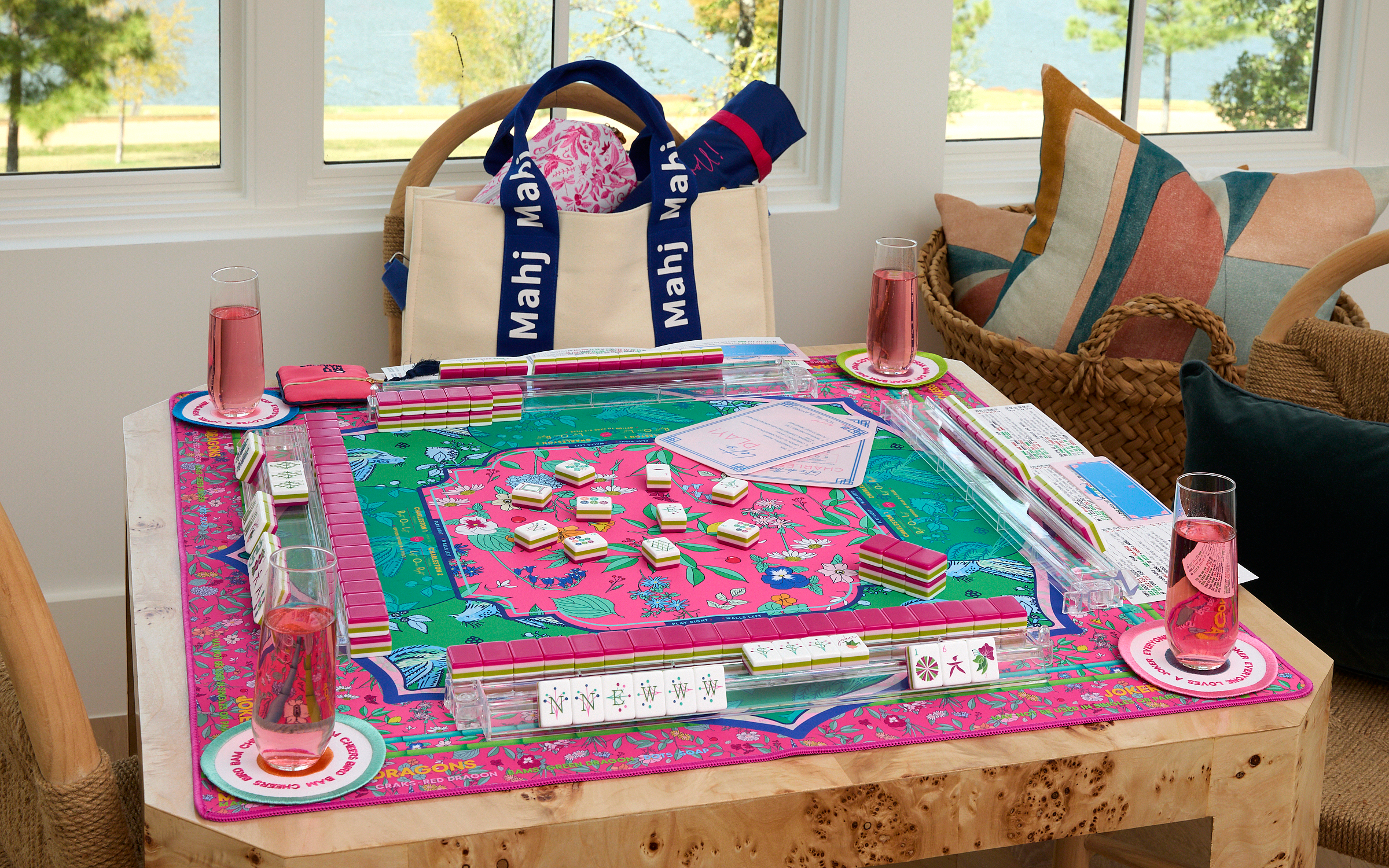
The major Mahjong variants differ mainly in tile sets, scoring systems, winning requirements, and special mechanics. All versions share the same core loop — draw, discard, and form sets — but each region reshaped the game into something distinct. Below is a clear, structured breakdown of the most important differences, grounded in the sources you saw.
🀄 Core Differences Across Mahjong Variants
Takeaway: The biggest differences come from how you score, what counts as a valid hand, which tiles exist, and how complex or fast-paced the game feels.
🇺🇸 American Mahjong
Identity: A heavily pattern‑based version popular in the U.S. What makes it unique:
- Uses 152 tiles, including 8 jokers.
- Uses an annual NMJL card that defines all valid hands.
- Includes the Charleston, a mandatory tile‑passing phase.
- Very structured and social.
🇨🇳 Chinese Classical Mahjong
Identity: The original form of Mahjong; foundation for all later variants. What makes it unique:
- Uses 144 tiles, including Flowers and Seasons.
- Complex scoring with doubles (fan).
- Low or no minimum hand requirement, so simple hands can win.
- Emphasizes balanced, traditional play.
🇭🇰 Hong Kong / Cantonese Mahjong
Identity: The most widely played Chinese variant today. What makes it unique:
- Also uses 144 tiles.
- Fast-paced, simple scoring (fan-based).
- Very accessible for beginners.
- Often played casually or for gambling due to quick rounds.
🇯🇵 Riichi Mahjong (Japanese)
Identity: Highly strategic, competitive, and standardized — the most popular online. What makes it unique:
- Uses a slightly different tile set with red fives and dora indicators.
- Requires declaring riichi (a ready hand) for many scoring opportunities.
- Strict scoring using han and fu.
- Strong emphasis on defense, reading discards, and risk management.
🇹🇼 Taiwanese Mahjong
Identity: A high‑tile, high‑intensity Chinese variant. What makes it unique:
- Players hold 16 tiles instead of 13.
- Scoring uses multipliers, leading to big swings.
- Longer, more momentum‑driven rounds.
🇨🇳 Sichuan / “Bloody” Mahjong
Identity: A fast, aggressive variant from Sichuan. What makes it unique:
- No chows — only triplets (pungs) can be used.
- Very fast and attack‑oriented.
🇸🇬 Singaporean Mahjong
Identity: A Southeast Asian variant with unique bonus tiles. What makes it unique:
- Includes animal tiles and other special bonuses.
- Distinct scoring and hand requirements.
🌍 Competition Mahjong (MCR – Mahjong Competition Rules)
Identity: The international standard used in tournaments. What makes it unique:
- Highly pattern‑based, similar to modern Chinese variants.
- Uses a fixed set of scoring patterns.
- Designed for fairness and global consistency.
📊 Summary Table — How the Major Variants Differ
| Variant | Tile Count | Key Features | Complexity | Pace |
|---|---|---|---|---|
| Chinese Classical | 144 | Traditional scoring, Flowers/Seasons | Medium–High | Moderate |
| Hong Kong | 144 | Simple scoring, beginner‑friendly | Low | Fast |
| Riichi (Japan) | 136–137 | Riichi, dora, strict scoring, defense | High | Moderate |
| American | 152 | Jokers, annual card, Charleston | Medium | Moderate |
| Taiwanese | 144 | 16‑tile hands, multipliers | High | Moderate–Fast |
| Sichuan | 108–144 | No chows, aggressive | Low–Medium | Very Fast |
| Singaporean | 148+ | Animal tiles, unique bonuses | Medium | Moderate |
| MCR (Competition) | 144 | Fixed patterns, international standard | High | Moderate |